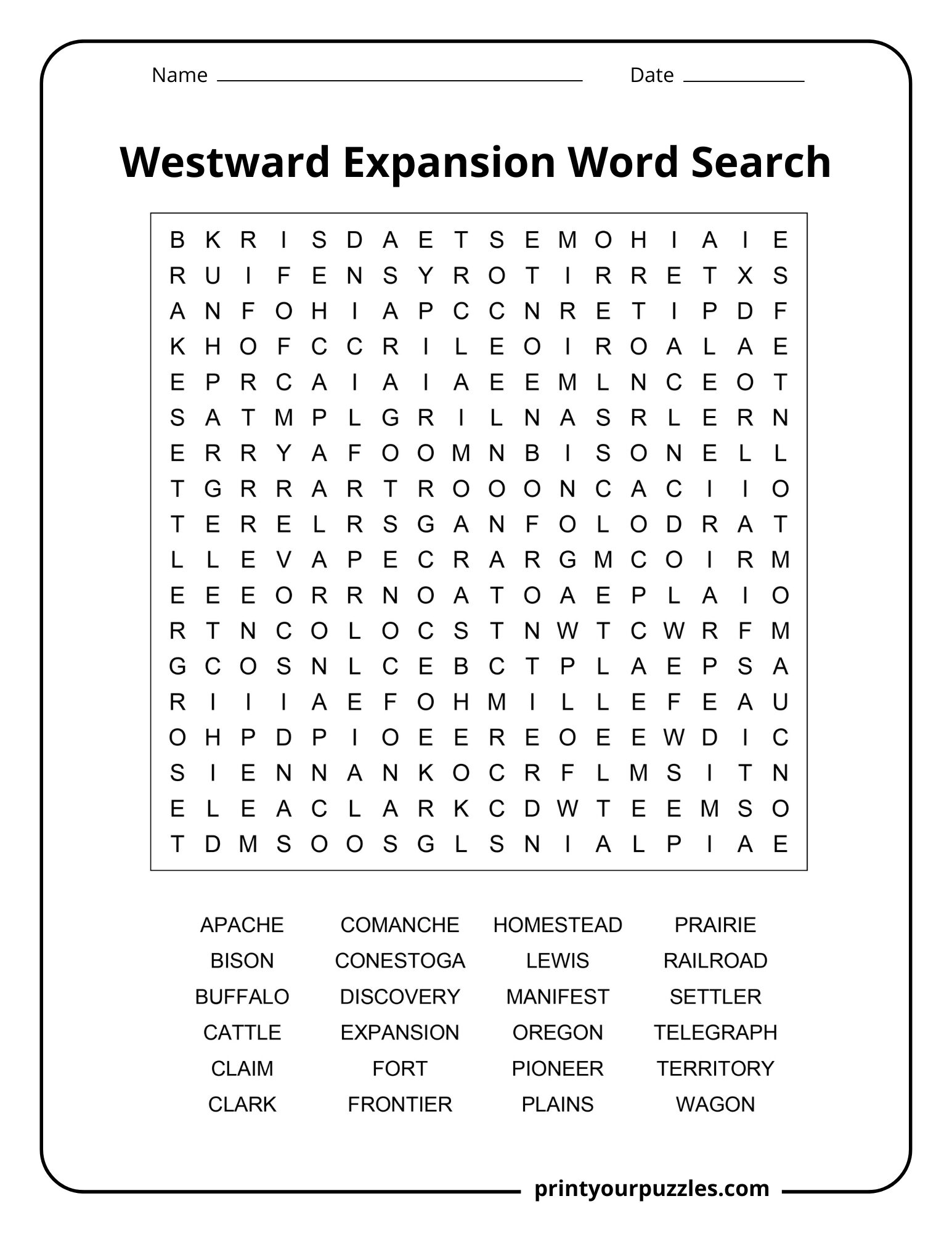

Discover the perfect patriotic activity with this engaging 4th of July word search that celebrates America’s independence through an entertaining and educational puzzle experience. This specially designed activity features twenty-four words related to Independence Day, including iconic symbols, traditions, and historical references that capture the essence of our nation’s birthday celebration.
What makes this 4th of July word search printable truly special is the comprehensive learning component included with the puzzle. All the words to search are defined with clear, informative descriptions of 20-30 words each, helping participants understand the significance and meaning behind every term. From Fireworks and Liberty to Bald Eagle and Congress, each definition enriches your knowledge of American history and patriotic traditions.
This convenient word search printable is perfect for family gatherings, classroom activities, community events, or personal enjoyment during Independence Day celebrations. Simply print and distribute copies to guests of all ages, providing entertainment while fostering appreciation for America’s heritage and values. The combination of puzzle-solving fun and educational definitions creates a meaningful activity that honors the spirit of freedom and unity that defines our nation’s most cherished holiday.
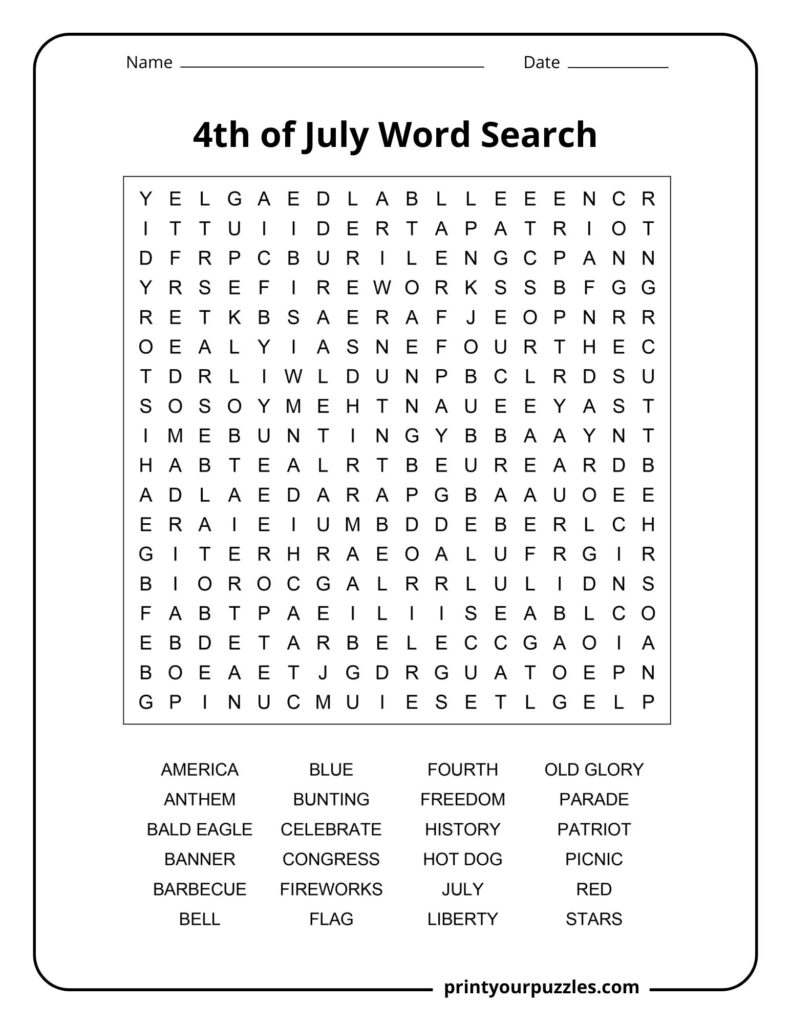
AMERICA, ANTHEM, BALD EAGLE, BANNER, BARBECUE, BELL, BLUE, BUNTING, CELEBRATE, CONGRESS, FIREWORKS, FLAG, FOURTH, FREEDOM, HISTORY, HOT DOG, JULY, LIBERTY, OLD GLORY, PARADE, PATRIOT, PICNIC, RED, STARS
AMERICA – The United States of America, the nation that declared independence from Great Britain on July 4, 1776, establishing itself as a free and sovereign country.
ANTHEM – The Star-Spangled Banner, the national anthem of the United States, written by Francis Scott Key, celebrating American resilience and patriotism through its stirring lyrics and melody.
BALD EAGLE – The national bird and symbol of the United States, representing freedom, strength, and independence. It appears on the Great Seal and various patriotic emblems throughout America.
BANNER – A flag or decorative cloth displaying patriotic symbols, colors, and messages. The Star-Spangled Banner specifically refers to the American flag that inspired the national anthem’s creation.
BARBECUE – A popular Independence Day tradition involving outdoor cooking and grilling of meats and vegetables, bringing families and communities together to celebrate America’s birthday with delicious food.
BELL – The Liberty Bell in Philadelphia, an iconic symbol of American independence and freedom. It rang to announce the first public reading of the Declaration of Independence in 1776.
BLUE – One of three colors in the American flag, representing vigilance, perseverance, and justice. It forms the canton containing fifty white stars representing each state.
BUNTING – Decorative fabric featuring red, white, and blue stripes or stars, commonly draped on porches, buildings, and parade floats during Independence Day celebrations across America.
CELEBRATE – To honor and commemorate Independence Day through festivities, gatherings, fireworks, parades, and other joyful activities recognizing America’s freedom and the nation’s founding principles and values.
CONGRESS – The Continental Congress, the governing body that voted for independence from Britain and adopted the Declaration of Independence on July 4, 1776, establishing American sovereignty.
FIREWORKS – Explosive pyrotechnic displays lighting up the night sky on July Fourth, symbolizing the battles fought for independence and creating spectacular celebrations of freedom nationwide.
FLAG – The Stars and Stripes, America’s national banner featuring thirteen stripes and fifty stars, symbolizing the original colonies and current states united under one independent nation.
FOURTH – July Fourth, Independence Day, the date in 1776 when the Declaration of Independence was adopted, marking America’s birth as a free nation separate from British rule.
FREEDOM – The fundamental principle of liberty and independence from tyranny that motivated America’s founding fathers to declare separation from Great Britain and establish a democratic republic.
HISTORY – The rich story of America’s struggle for independence, from colonial times through revolution, encompassing the events, people, and principles that shaped the nation’s founding.
HOT DOG – An iconic American food staple enjoyed at Fourth of July picnics, barbecues, and celebrations, representing casual outdoor dining and summertime patriotic festivities across the country.
JULY – The seventh month of the year, forever associated with American independence since the Continental Congress adopted the Declaration of Independence on the fourth day of July.
LIBERTY – The state of being free from oppressive restrictions and having the right to self-governance, which colonists sought when declaring independence from British rule in 1776.
OLD GLORY – A beloved nickname for the American flag, coined in the nineteenth century, expressing affection and respect for the banner representing United States independence and national pride.
PARADE – A festive procession featuring marching bands, floats, military units, and community groups celebrating Independence Day, bringing together citizens to honor America’s freedom and heritage.
PATRIOT – A person who loves, supports, and defends their country. American patriots fought for independence from Britain, risking their lives to establish a free nation.
PICNIC – An outdoor meal enjoyed during Independence Day celebrations, often featuring traditional American foods, bringing families and friends together to commemorate the nation’s birthday in parks.
RED – One of three colors in the American flag, symbolizing hardiness and valor. It represents the courage and sacrifice of those who fought for independence.
STARS – The fifty white stars on the blue canton of the American flag, each representing one state in the union, symbolizing unity and the enduring strength.
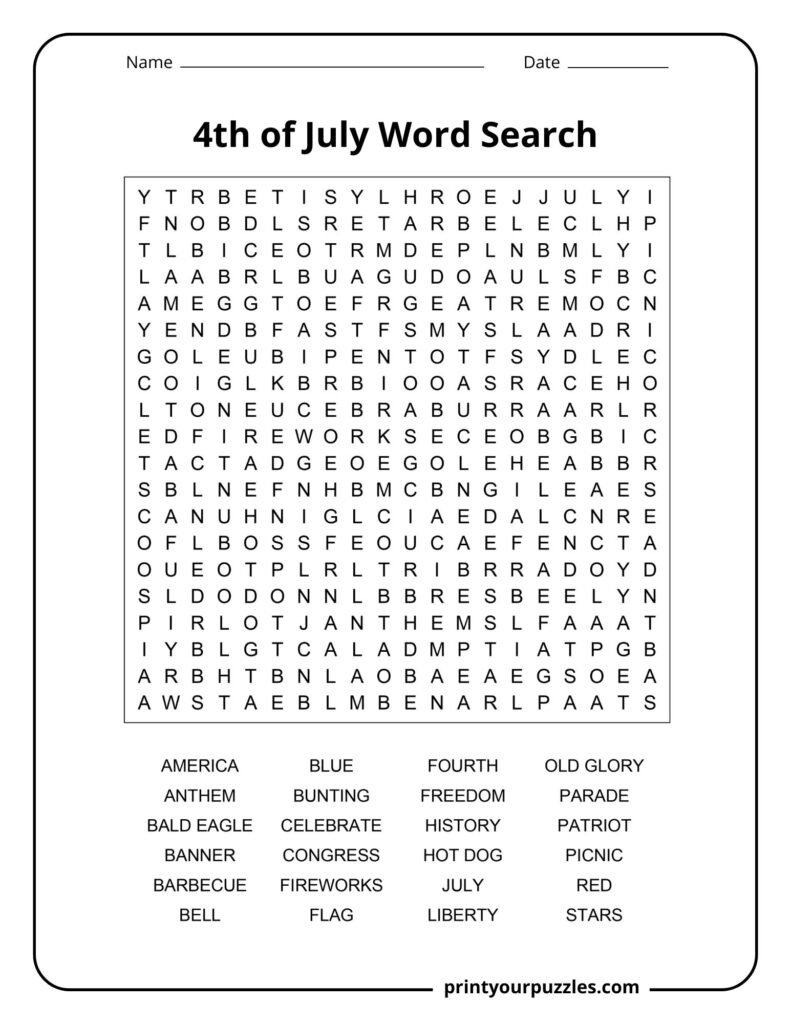
AMERICA, ANTHEM, BALD EAGLE, BANNER, BARBECUE, BELL, BLUE, BUNTING, CELEBRATE, CONGRESS, FIREWORKS, FLAG, FOURTH, FREEDOM, HISTORY, HOT DOG, JULY, LIBERTY, OLD GLORY, PARADE, PATRIOT, PICNIC, RED, STARS
The 4th of July commemorates America’s Declaration of Independence from Great Britain in 1776, marking the birth of the United States as a free and sovereign nation.
The Continental Congress officially adopted the Declaration of Independence on July 4, 1776, announcing the thirteen American colonies’ separation from British rule and establishing their right to self-governance.
Traditional celebrations include watching fireworks displays, attending parades, hosting barbecues and picnics, displaying American flags, enjoying outdoor concerts, and spending time with family and friends in patriotic festivities.
Fireworks symbolize the “rockets’ red glare” from the Revolutionary War battles and represent celebration, freedom, and patriotic spirit. John Adams envisioned illuminations marking independence anniversaries forever.
Congress declared July 4th an unpaid federal holiday in 1870. It became a paid federal holiday for government employees in 1938, ensuring all Americans could celebrate Independence Day.
John Adams and Thomas Jefferson both died on July 4, 1826, exactly fifty years after independence. James Monroe also died on July 4, 1831, making this date remarkably significant.
The National Hot Dog and Sausage Council estimates that Americans eat approximately 150 million hot dogs during July 4th celebrations, making it the peak day for hot dog consumption.
Most delegates actually signed the document on August 2, 1776. July 4th marks when Congress adopted the declaration, not when signatures were affixed to the parchment.
British soldiers sang “Yankee Doodle” to mock colonial Americans during the Revolutionary War. Americans embraced it proudly, transforming the insulting song into a patriotic anthem of independence.
Fireworks originated in ancient China over 2,000 years ago. Americans adopted them for Independence Day celebrations, with the first July 4th fireworks display occurring in 1777.
Purus ut praesent facilisi dictumst sollicitudin cubilia ridiculus.