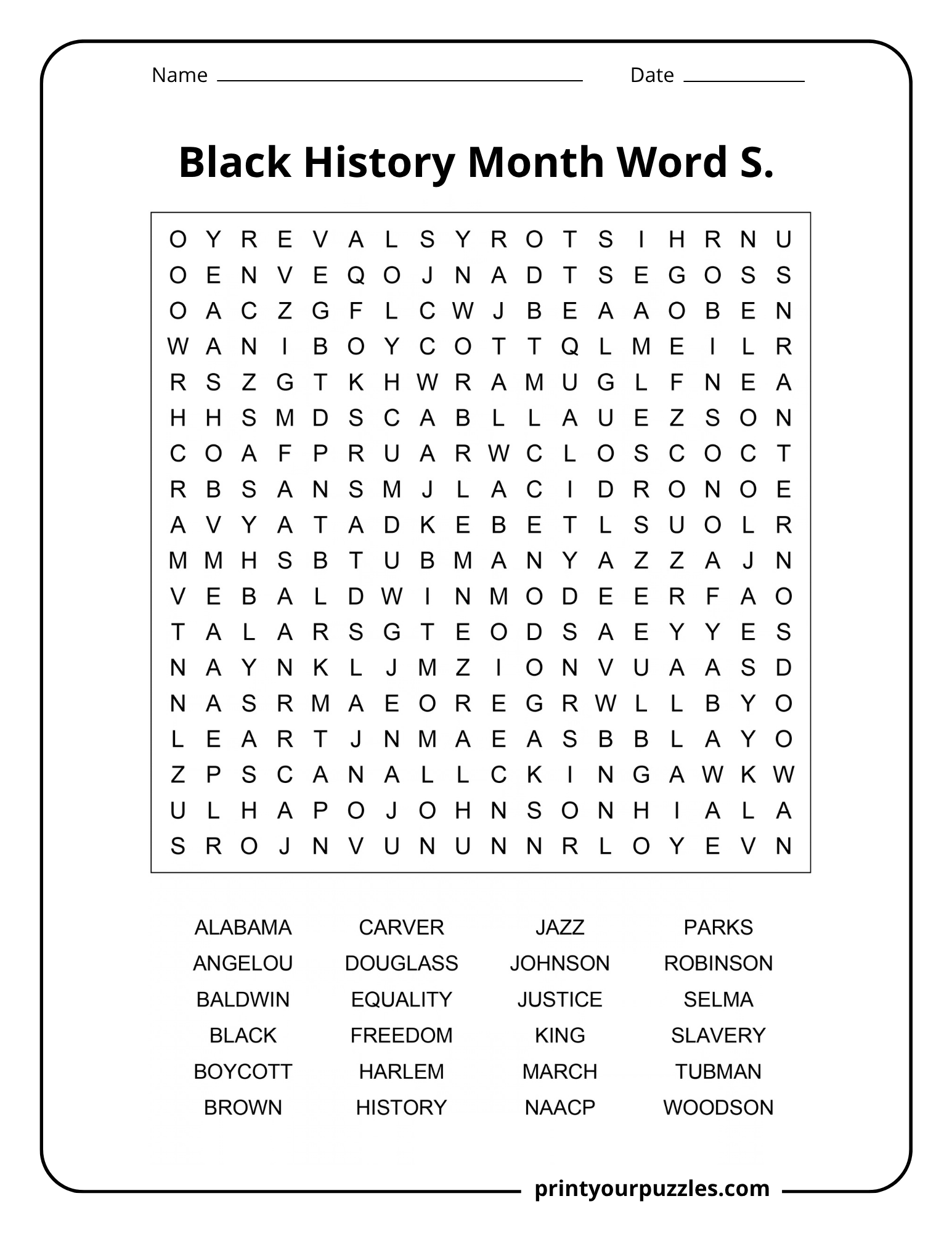

The Korean War was fought from June 25, 1950, to July 27, 1953, on the Korean Peninsula. It began as a conflict between North Korea and South Korea but quickly became an international war involving the United States, China, the Soviet Union, the United Nations, and troops from several other countries. The fighting became one of the first major military confrontations of the Cold War.
Korea had been under Japanese rule until the end of World War II in 1945. After Japan’s defeat, the peninsula was divided near the 38th parallel. Soviet forces occupied the north, while American forces occupied the south. In 1948, two rival governments were created: communist North Korea under Kim Il Sung and anti-communist South Korea under Syngman Rhee. Both claimed the right to govern the entire peninsula.
On June 25, 1950, North Korean forces crossed the 38th parallel and invaded South Korea. They advanced rapidly, captured Seoul, and pushed South Korean and United Nations troops into a narrow defensive area known as the Pusan Perimeter. The United Nations authorized military support for South Korea, with the United States supplying most of the troops, aircraft, equipment, and leadership.
In September 1950, General Douglas MacArthur led a successful amphibious landing at Inchon. The operation helped recapture Seoul and forced North Korean troops to retreat. United Nations forces then advanced north toward the Chinese border. China responded by entering the war in late 1950, sending large numbers of troops that pushed the UN forces south and temporarily recaptured Seoul.
By 1951, the front had settled near the original dividing line. The war became a costly stalemate involving trenches, artillery attacks, air raids, and battles for hills and strategic positions. Negotiations continued for two years while soldiers kept fighting. Civilians suffered terribly as cities were destroyed, families were displaced, and millions of people were killed, wounded, or separated.
The war also introduced or expanded technologies that shaped later conflicts. Jet aircraft fought major air battles, helicopters rescued wounded soldiers, and mobile surgical hospitals improved emergency treatment. Radar, tanks, radio communications, air power, and medical evacuation became increasingly important. These developments helped influence modern battlefield medicine and military organization.
The fighting ended with an armistice on July 27, 1953, rather than a formal peace treaty. A Demilitarized Zone, or DMZ, was created near the 38th parallel, and Korea remains divided today.
Through this Korean War word search, students can explore vocabulary connected to North and South Korea, Seoul, Pusan, Inchon, MacArthur, China, the United Nations, the armistice, the DMZ, and the wider Cold War.
Related Word Searches:
Cold War | Truman Doctrine | Harry S. Truman | Chinese Revolution | Berlin Wall | Dwight D. Eisenhower
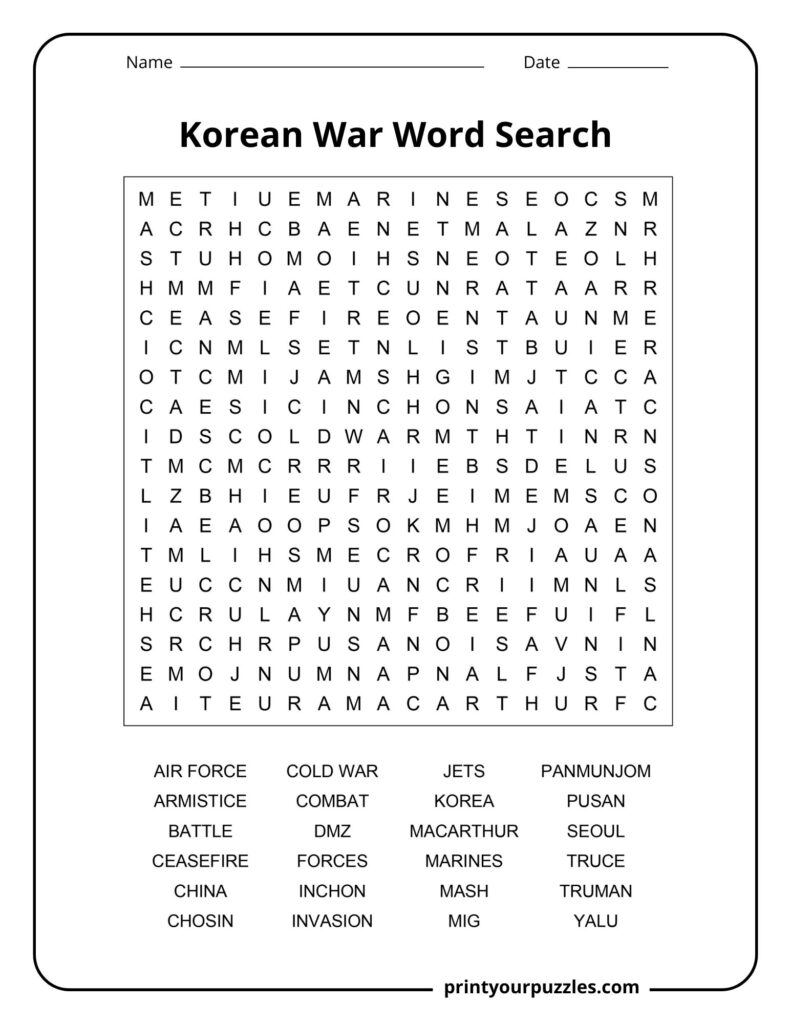
AIR FORCE, ARMISTICE, BATTLE, CEASEFIRE, CHINA, CHOSIN, COLD WAR, COMBAT, DMZ, FORCES, INCHON, INVASION, JETS, KOREA, MACARTHUR, MARINES, MASH, MIG, PANMUNJOM, PUSAN, SEOUL, TRUCE, TRUMAN, YALU
AIR FORCE – The United States Air Force provided crucial air support during the Korean War, conducting bombing campaigns, reconnaissance missions, and engaging enemy aircraft in aerial combat operations.
ARMISTICE – The July 1953 agreement that ended active fighting in Korea, establishing the demilitarized zone and ceasefire terms, though technically the war never officially ended with a peace treaty.
BATTLE – Refers to the numerous military engagements and combat operations throughout the Korean Peninsula, including major confrontations like Inchon, Chosin Reservoir, and Pusan Perimeter that shaped the war’s outcome.
CEASEFIRE – The suspension of active hostilities between North and South Korea that took effect on July 27, 1953, ending three years of intense combat while maintaining the division.
CHINA – The People’s Republic of China entered the Korean War in October 1950, sending hundreds of thousands of troops to support North Korea against United Nations and South Korean forces.
CHOSIN – The Chosin Reservoir battle in winter 1950 saw UN forces surrounded by Chinese troops in brutal subzero conditions, requiring a fighting retreat that became legendary for its heroism.
COLD WAR – The Korean War was a major proxy conflict during the Cold War era, representing the ideological struggle between communist forces and Western democratic nations backed by their superpower sponsors.
COMBAT – Direct military engagement between opposing forces, involving infantry battles, artillery bombardments, air strikes, and naval operations throughout the mountainous Korean terrain during the three-year conflict.
DMZ – The Demilitarized Zone is a 2.5-mile-wide buffer zone established along the 38th parallel separating North and South Korea, created by the armistice agreement to prevent further military confrontation.
FORCES – The military units from multiple nations that participated in the Korean War, including South Korean, American, and UN coalition troops opposing North Korean and Chinese communist armies.
INCHON – General MacArthur’s daring amphibious landing at Inchon in September 1950 changed the war’s course, allowing UN forces to recapture Seoul and push North Korean forces back across the border.
INVASION – North Korea’s surprise attack on South Korea on June 25, 1950, crossing the 38th parallel with Soviet-backed forces, initiating the three-year conflict that drew international military intervention.
JETS – Jet aircraft like the American F-86 Sabre and Soviet MiG-15 engaged in history’s first large-scale jet fighter combat, establishing air superiority as crucial to modern warfare strategy.
KOREA – The Asian peninsula divided at the 38th parallel into communist North Korea and democratic South Korea, becoming the battleground for a devastating war from 1950 to 1953.
MACARTHUR – General Douglas MacArthur commanded UN forces in Korea, masterminding the Inchon landing but was controversially relieved by President Truman after publicly disagreeing with limited war policies.
MARINES – United States Marine Corps forces played vital roles throughout the Korean War, particularly distinguishing themselves during the brutal Chosin Reservoir campaign and amphibious operations at Inchon harbor.
MASH – Mobile Army Surgical Hospital units provided critical frontline medical care, saving countless lives through innovative battlefield surgery techniques that dramatically improved survival rates for wounded soldiers.
MIG – The Soviet-designed MiG-15 jet fighter was flown by North Korean, Chinese, and Soviet pilots, engaging American aircraft in fierce dogfights over “MiG Alley” along the Yalu River.
PANMUNJOM – The village in the DMZ where armistice negotiations occurred and the ceasefire agreement was finally signed, now serving as the main contact point between North and South Korea.
PUSAN – The southeastern port city and surrounding defensive perimeter where UN and South Korean forces made their desperate stand in summer 1950, preventing complete North Korean conquest.
SEOUL – South Korea’s capital city changed hands four times during the war, experiencing devastating destruction and civilian casualties as forces from both sides fought for control of this strategic location.
TRUCE – Another term for the armistice agreement that halted active combat in Korea, establishing terms for prisoner exchanges, the demilitarized zone, and monitoring commission responsibilities without ending hostilities.
TRUMAN – President Harry S. Truman committed American forces to defend South Korea under UN authorization, made the controversial decision to fire MacArthur, and maintained limited war objectives.
YALU – The Yalu River forms Korea’s northern border with China, where UN forces approached in late 1950 before massive Chinese intervention pushed them back, creating “MiG Alley” airspace.
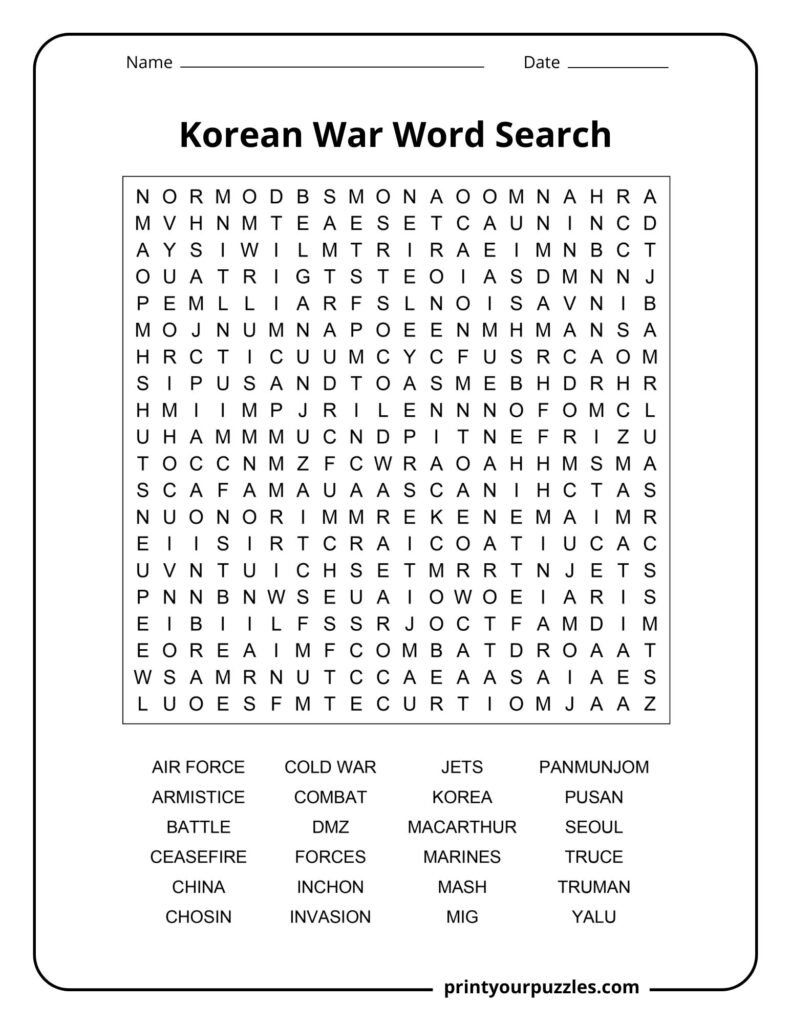
AIR FORCE, ARMISTICE, BATTLE, CEASEFIRE, CHINA, CHOSIN, COLD WAR, COMBAT, DMZ, FORCES, INCHON, INVASION, JETS, KOREA, MACARTHUR, MARINES, MASH, MIG, PANMUNJOM, PUSAN, SEOUL, TRUCE, TRUMAN, YALU
The Korean War began on June 25, 1950, when North Korea invaded South Korea, and fighting continued until the armistice agreement was signed on July 27, 1953.
North Korea, backed by the Soviet Union and China, invaded South Korea to reunify the peninsula under communist rule, prompting United Nations intervention to defend South Korean sovereignty and democracy.
South Korea and United Nations forces (primarily American troops) fought against North Korea supported by China and the Soviet Union, making it a major Cold War proxy conflict between superpowers.
No, the 1953 armistice only suspended hostilities. No formal peace treaty was ever signed, meaning North and South Korea technically remain at war despite the decades-long ceasefire.
The war ended largely in stalemate with Korea remaining divided near the 38th parallel. The DMZ was established, and approximately three million people died during the conflict.
Mobile Army Surgical Hospitals dramatically improved wounded soldier survival rates to 97%, revolutionizing trauma care with helicopter evacuations and frontline surgery techniques still used in emergency medicine today.
Marines and soldiers fought Chinese forces while enduring extreme cold that froze weapons, medical supplies, and caused severe frostbite, making it one of history’s most brutal winter battles.
American F-86 Sabres battled Soviet MiG-15s over “MiG Alley,” establishing aerial tactics and air superiority principles that defined modern jet fighter warfare for decades to come.
Despite ongoing recovery efforts and negotiations with North Korea, thousands of service members remain unaccounted for, making identification and repatriation missions continue even seventy years later.
Overshadowed by World War II and the Vietnam War in public memory, this devastating conflict caused over three million casualties yet receives significantly less attention in popular culture.